

The quality of animal products depends on handling: understand why
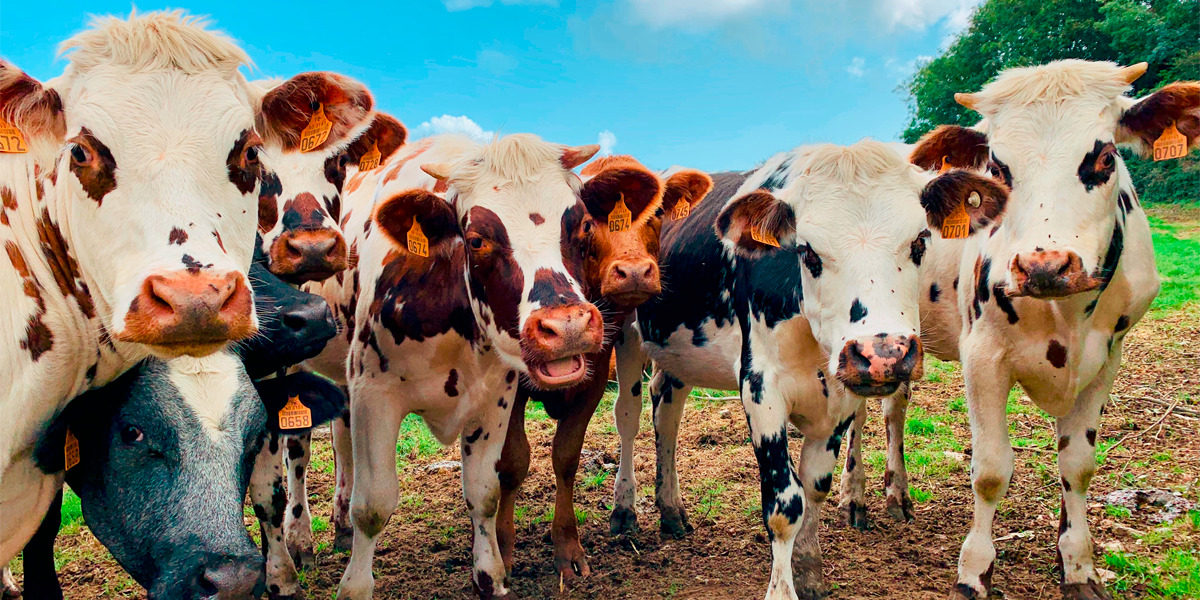
Investing in the quality of animal products brings positive returns for everyone involved in the chain: from the producers, who earn more for what they are selling, to the consumers, who get healthier food on their tables. This quality is directly related to animal welfare.
Animals subjected to stressful conditions during handling undergo different biochemical and structural processes after slaughter, in the period called “muscle to meat conversion”. This can alter the color of the meat, making it dark or pale depending on the situation, or making it tough and dry. In other words, there is a loss of quality in animal products.
In addition to the physical and chemical characteristics of the meat (appearance, texture, flavor), which are directly influenced by the conditions the animals have had during their lives, ethical and environmental preservation issues are also part of the consumer public’s perception of the quality of animal products (which is becoming increasingly demanding).
Animal welfare and the quality of meat and dairy products: how stress works
Animal muscles have energy reserves called ATP (adenosine triphosphate), which are synthesized during life. After slaughter, this energy source is resynthesized anaerobically in the absence of oxygen. Lactic acid is then formed, which accumulates in the muscle and lowers the pH of the product, turning the muscle into meat.
When the animal undergoes prolonged handling stress, the pH reduction is slower due to the low production of lactic acid. With a high final pH, the meat will look drier and stiffer. This problem is called DFD (dark, firm, dry) and can occur in pigs and cattle.
When the animal undergoes other types of stress closer to the time of slaughter – during transport until it is stunned, for example – high levels of muscle glycogen will lead to greater production of lactic acid. In this case, there is an accelerated decrease in muscle pH and the consequence is meat with a pale, flabby appearance that releases a lot of water. This problem is called PSE (pale, soft, exudative) and can occur in pigs, cattle and poultry.
In both cases, the quality of animal products is affected, since both darker, stiffer meats and pale, flaccid meats are less acceptable to the consumer market.
In addition to the quality of the by-products, the stress suffered by the animals as a result of inadequate handling, dehydration, prolonged fasting and poor living conditions can generally lower their immunity. This condition of immunosuppression makes herds more susceptible to disease, increasing producers’ costs for veterinary treatment and increasing the risk of loss of production.
How can animal welfare be assessed?
Concern for animal welfare is expressed in practice in care for the conditions to which livestock are exposed, from birth to slaughter. Among this care, it is important to highlight:
The animals must not go hungry or thirsty, being provided with food and water of sufficient quality and quantity for all;
They must not be exposed to discomfort and injury as a result of poorly maintained shelter and resting environments;
Medicines should not be used to enhance the growth of the animals, only vaccinations to prevent and medicines to treat diseases when really necessary; the focus should always be on prevention!
Animals should not be exposed to fear and stress during handling and contact with farmers; positive human-animal interaction has direct benefits for productivity and animal welfare!
Animals should live in an environment with space and conditions that allow them to express their natural behavior. Housing in cages or crates, or anything else that restricts animal behavior, seriously compromises animal welfare!
All these conditions are verified in animal husbandry systems that undergo welfare certification processes. Increasingly, producers, companies and consumers are becoming aware of the importance of investing in animal welfare and improving management.
This concern has an impact on the quality of animal products, so it’s an economic issue, but it also involves moral, ethical, health and food safety issues.
Published on September 11, 2025