

Six attitudes that show the importance of animal welfare in the production chain
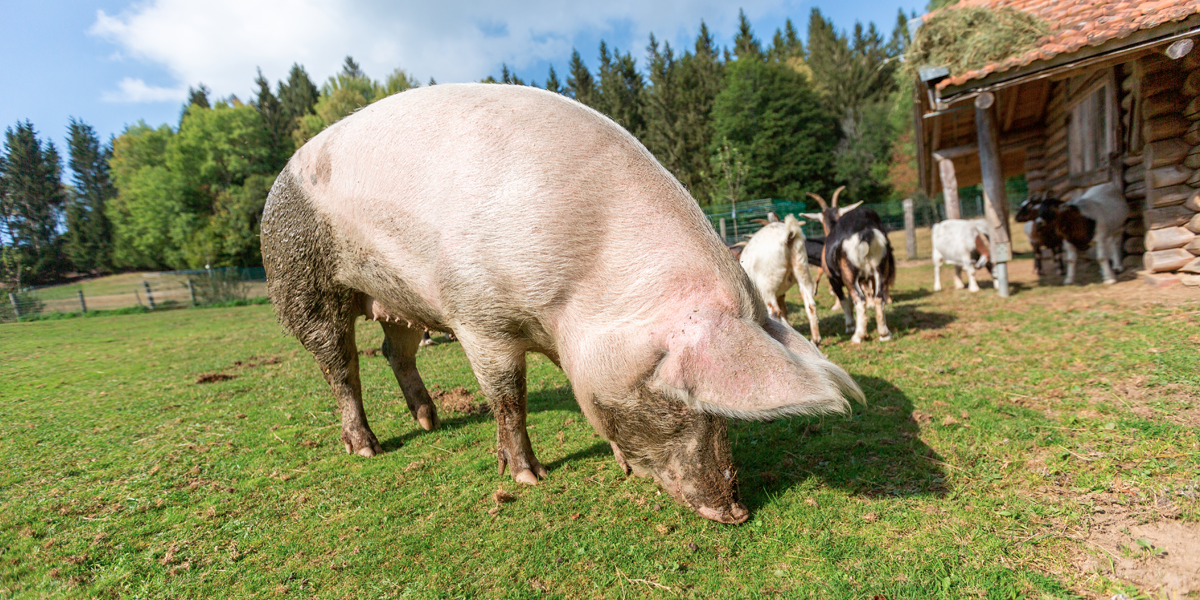
Those who follow the Certified Humane® blog already know how important it is for producers to understand animal welfare and its impact on the behavior, health, development and productivity of farm animals such as cattle, pigs, poultry, goats and sheep.
In recent decades, food production systems have made important progress in management, monitoring and care. However, beyond ethical issues and investments, it is also necessary to recognize the role of producers in applying practices that offer animals better living conditions.
With that in mind, we have listed six attitudes that reinforce the importance of animal welfare in the production environment and show how this approach can benefit animals, producers, companies, consumers and society as a whole.
1. Understand the importance of animal welfare
Animal welfare science recognizes that farm animals are sentient beings and can experience positive and negative states. For this reason, responsible care must consider physical health, emotional state and the environment where animals are raised.
To assess whether animals are being kept under appropriate conditions, it is important to observe whether:
- They are not suffering from hunger or thirst;
- They are not exposed to discomfort;
- They are free from injuries, diseases and pain;
- They have an environment that allows natural behaviors according to their species;
- They are not exposed to unnecessary fear or stress.
Animals raised with proper care tend to show fewer signs of stress, better health indicators and more stable production outcomes. This contributes to higher-quality products and more reliable farming systems.
2. Learn and apply good practices
Caring for farm animals requires understanding how each species behaves, what its basic needs are and how daily handling should be carried out. These needs include nutrition, climate, health, housing, space, social interaction and management.
This is the first step toward raising animals responsibly throughout their lives. To follow good production practices, producers should:
- Provide a balanced diet with the nutrients animals need;
- Avoid substances or practices that compromise natural development;
- Ensure adequate housing according to the production system used;
- Support social interaction among animals of the same species;
- Provide environments that allow natural behaviors;
- Follow specific welfare standards for each species.
3. Follow recognized standards
Animal welfare standards are objective and essential for responsible production and certification. They define what can and should be done in farming systems to provide appropriate conditions for each species.
These standards go beyond eliminating confinement. They also include:
- Correct access to food and water;
- Adequate space for each animal;
- Environmental conditions that reduce discomfort and stress;
- Proper handling during daily management;
- Care during transport;
- Hygiene practices to prevent disease;
- Correct treatment when animals are sick or injured.
By following these rules, producers can reduce risks, improve farm management and strengthen the reliability of their production systems.
4. Obtain certification
Certification helps show consumers, companies and business partners that a product follows recognized standards of care. It also serves as evidence that food was produced with respect for farm animals.
The Certified Humane® seal can be found on products such as meat, eggs and milk, as well as on processed foods that contain at least one ingredient of animal origin.
Certified Humane® is one of the leading farm animal welfare certification programs in the world. The certification verifies whether producers and companies comply with standards based on scientific knowledge, veterinary guidance and practical experience in the field.
For producers, certification can also strengthen market positioning, especially among buyers that value transparency, traceability and responsible sourcing.
5. Respond to the conscious consumer
Consumers and companies are paying more attention to how food is produced. In Asia and other regions, this topic has become increasingly relevant for retailers, restaurants, hotels, food service companies and brands seeking more responsible supply chains.
For producers, adopting better care practices can become a competitive advantage. It helps meet buyer expectations, builds trust in the production process and supports the development of products aligned with new market demands.
A supply chain committed to humane farming also improves relationships with business partners and increases recognition among consumers who value responsible food production.
6. Make a long-term commitment
The importance of animal welfare in the production chain goes beyond theory. It requires a practical and ongoing commitment from producers, companies and everyone involved in the food industry.
This commitment generates collective benefits:
- Animals receive better care and more appropriate living conditions;
- Farming systems become more organized and reliable;
- Companies can offer products with greater transparency;
- Consumers gain access to food produced according to recognized standards;
- The market advances toward more responsible and sustainable practices.
Animal care is part of a broader shift in how food is produced, purchased and consumed. For this reason, investing in better practices is not only an ethical decision, but also a strategic step for producers and companies that want to be prepared for the future of the food sector.
If you are interested in learning more about how animal welfare is promoted in production chains or want to understand the step-by-step process for obtaining Certified Humane® certification, download our free materials and learn more about its impact on the future of your business.
Published on July 23, 2026