

Farm animal welfare: why humane farming matters
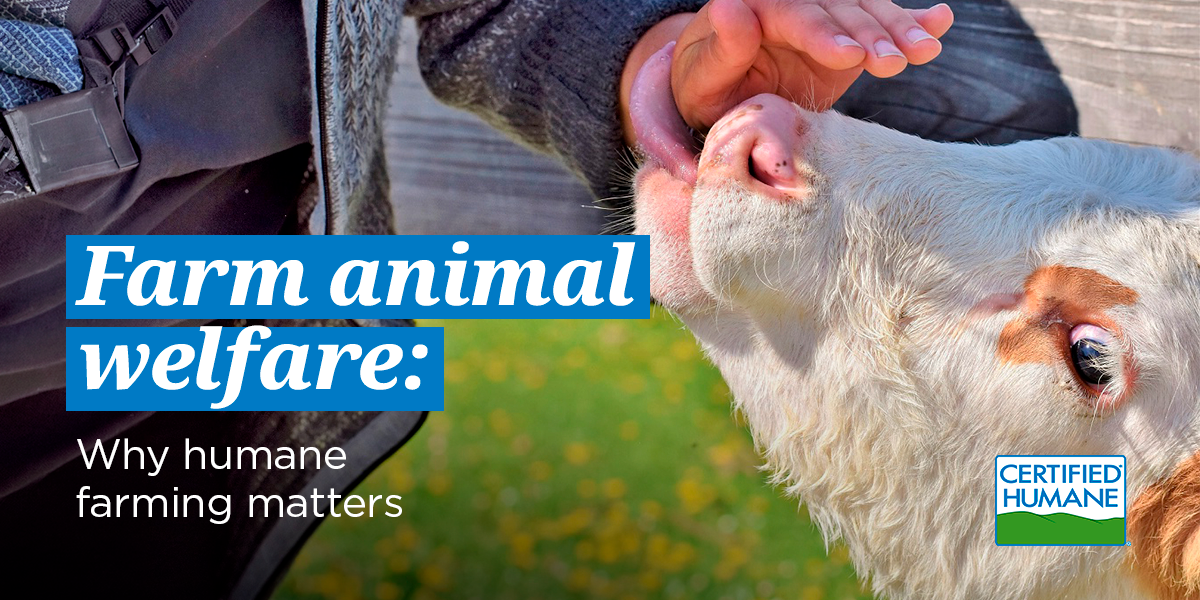
Farm animals have emotions and deserve to be treated with respect. Recognizing this is an important step toward animal welfare.
Animal welfare is related to the conditions provided to animals throughout their lives, including proper care, humane handling and respect for their physical and behavioral needs.
Although the subject is often associated with pets, farm animals also require attention and care. The way animals raised for food are treated is an important part of a more humane production system.
What are the Five Freedoms of animal welfare?
The Five Freedoms have been used for more than 50 years as a reference for farm animal welfare.
They establish that animals should:
- be free from hunger and thirst;
- be free from discomfort;
- be free from pain, injury and disease;
- be free to express the natural behaviors of their species;
- be free from fear and stress.
These principles help guide the way farm animals are raised and cared for.
Why does farm animal welfare matter?
Animals are capable of perceiving what happens around them and reacting to the situations to which they are exposed.
Inappropriate handling can cause negative physical reactions and affect both animal welfare and production. For this reason, people who work directly with farm animals need to understand their needs and behavior and seek to minimize unnecessary suffering.
This applies to different stages of production, including raising, handling and transportation.
Consumers are paying more attention to animal welfare
Greater awareness of animal sentience and interest in sustainability have changed the way many consumers look at food production.
The treatment of farm animals has become part of purchasing decisions. Consumers are also paying closer attention to transparency and to the conditions in which animals are raised.
This growing awareness encourages producers and companies to review their practices and consider animal welfare as part of a more humane production process.
How does animal handling affect welfare?
The way animals are handled can directly affect their physical and emotional responses.
People who understand the needs of the animals can take steps to reduce fear, stress and unnecessary suffering, especially during handling and transportation.
Animal welfare practices can also affect productivity and the quality of products of animal origin, making proper management important throughout production.
How can consumers identify animal welfare practices?
One way to identify products associated with animal welfare practices is through certification.
The Certified Humane® seal helps consumers recognize foods produced on farms and by companies that follow established animal welfare criteria.
These criteria are overseen by a specialized committee made up of professionals with expertise in the field.
The role of Certified Humane®
The Certified Humane® program works to improve living conditions for farm animals from birth to slaughter.
Its criteria guide farms and companies that want to adopt practices focused on animal welfare and humane management, while the seal gives consumers a reference when choosing products.
There is still much to be done, but animal welfare is increasingly part of discussions about food production and the way animals are raised.
Learn more about Certified Humane® certification
Want to better understand the requirements behind Certified Humane® certification? Read the Certified Humane® Policy Manual to learn more about the program’s criteria and certification process.
Read the Certified Humane® Policy Manual
Published on October 30, 2026
