
Do you know what animal welfare is?
Since Certified Humane® began operations in 2003, there has been much discussion about the proper treatment and quality of life that should be provided to cattle, pigs and poultry – from birth on the farm throughout their lives. But do you know what animal welfare is? It is not just about liking or admiring a particular species. It is also about knowing where farm animals come from, how they are raised and what conditions are offered before animal-derived products reach consumers.
The first step is understanding that farm animals must be raised without physical suffering, unnecessary stress or environmental discomfort throughout all stages of their lives. This means recognizing that they are sentient beings, capable of feeling pain, fear, discomfort and positive states. In fact, the meaning of animal welfare goes beyond simply providing food and water. It is necessary to understand the specific needs of each species and adapt farms and production systems to meet those needs.
For animals to live well, it is necessary to provide them with:
- A balanced diet with the necessary nutrients for healthy development;
- Ingredients and practices that do not compromise their integrity;
- No use of antibiotics as growth promoters, except when needed for disease treatment under veterinary guidance;
- A suitable place to rest and move safely;
- Adequate access to feed and clean water;
- The opportunity to interact with other animals of the same species;
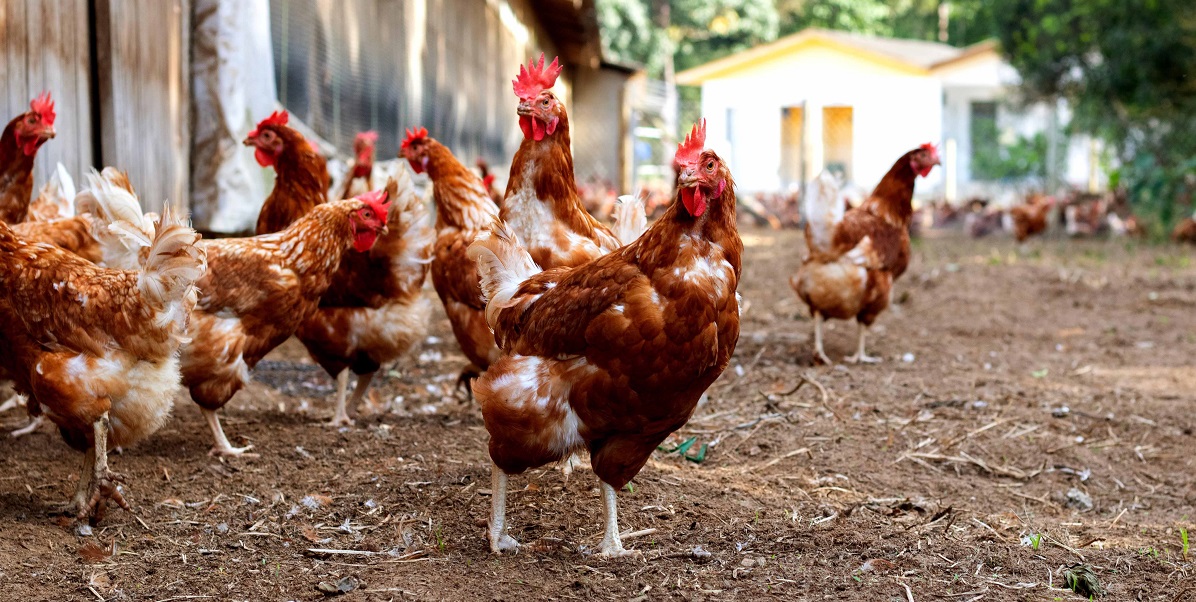
- A rearing system in which they can express natural behaviors.
Animal welfare seal
Certification is one of the clearest ways for consumers to know that the food they buy comes from animals raised according to recognized welfare standards. The Certified Humane® seal can be found on the packaging of products such as meat – including pork, beef and poultry – eggs and milk, as well as processed products that include certified animal-derived ingredients, such as pasta made with eggs or foods prepared with milk and dairy ingredients.
The work of Certified Humane® is to verify that companies and producers understand animal welfare and comply with the standards of Humane Farm Animal Care. One of its objectives is to help provide better living conditions for farm animals and make consumers aware that they can choose products from brands committed to responsible animal care throughout the production cycle.
Why get certified?
Consumers are increasingly attentive to products that come from production systems where animals are mistreated or kept in inadequate conditions. Certification shows that a product follows recognized standards for the care of farm animals. It can also open the door to a growing market and support greater credibility, efficiency and transparency in production. Producers of meat, including pork, beef, lamb and poultry, as well as eggs, milk and dairy products, can seek certification. Food companies that use certified animal-derived ingredients as raw materials can also apply.
By obtaining certification, companies strengthen their reputation and connect with consumers, retailers, restaurants, hotels and food service companies that value responsible sourcing. Below is the step-by-step process for obtaining animal welfare certification:
- Learn about the standards that must be met;
- Read the HFAC – Humane Farm Animal Care – Standards Manual, which explains the certification process;
- Request the required forms from Certified Humane®;
- After document verification, an inspector visits the production unit to validate the information and confirm that the requirements are being implemented;
- Once all requirements are met, certification is granted;
- The Certified Humane® seal can be used on approved product packaging to show consumers that the producer or manufacturer follows animal welfare standards;
- Each year, the producer receives a new inspection to ensure continued compliance with the requirements.
Consumers must choose certified products
Today, consumers have more information and are increasingly aware of how their choices influence the market. This is why many food companies, retailers, restaurants and hospitality groups have been reviewing their supply chains and seeking products from farms that follow animal welfare standards. The consumer’s role is essential for this change. By rejecting products linked to poor animal treatment and choosing certified options, consumers help encourage better practices throughout the food production chain.
How can you help as a consumer? First, look for and buy products that carry the Certified Humane® seal for animal welfare. Second, if your usual store, restaurant or market does not offer certified products, ask for them. You can also encourage family and friends to choose products that come from farms committed to better animal care.
Animals should not have to suffer. Good practices benefit everyone: consumers, producers, companies and retailers. Objectively speaking, animal welfare means providing animals with the conditions they need to live according to the natural behaviors of their species, with proper nutrition, health, comfort and care.
Visit our educational materials page to learn more about animal welfare and Certified Humane® certification.
Published on July 29, 2026