

Certified Humane® seal: how pig producers can add market value
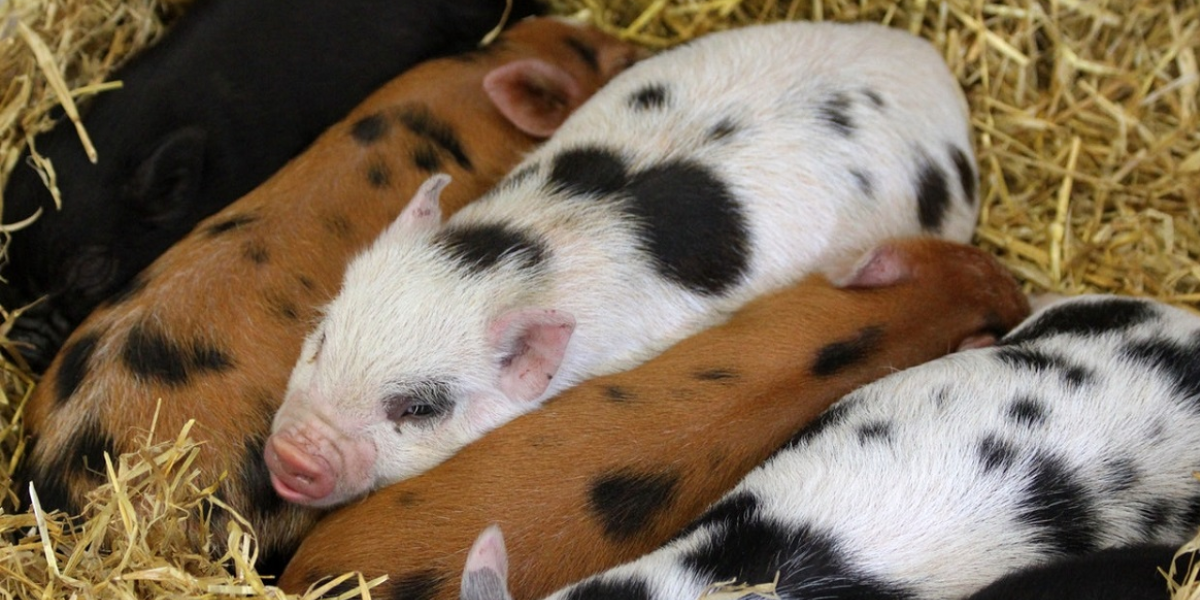
One of the main factors analyzed in pig farming is the stress to which animals are exposed. Many studies on animal welfare indicate that cortisol released due to disputes over food or other stressful situations can affect animal health and reduce meat quality.
In these cases, producers often choose to use antibiotics to prevent animals from getting sick as a result of weakened immunity, which can occur in pig farming. In most cases, consumers do not approve of this practice.
A project focused on raising pigs together from a young age
Faced with this consumer refusal, Embrapa Swine and Poultry – the Brazilian Agricultural Research Corporation – has been conducting research on animal welfare for several years. Now, the results of this work are beginning to appear. The project focuses on small-scale pig farming and completely excludes the use of antimicrobials. No antibiotics of any kind are added to the animals’ water or feed. In addition, the pigs are raised together from birth until slaughter. They are not mixed with other animals and live as a group from a young age.
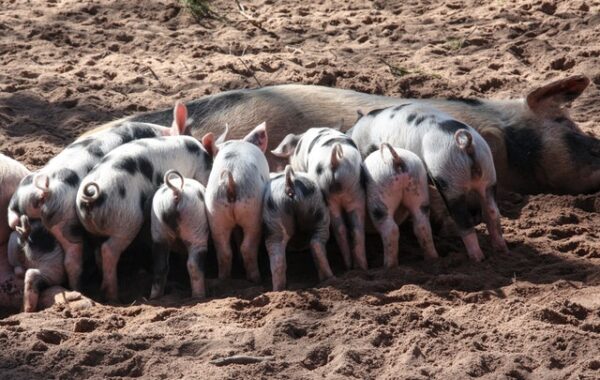
According to researcher Nelson Mores, eliminating antibiotics in pig farming is justified because their use can lead to resistance in infectious agents. There is evidence that the more an antimicrobial is used, the greater the likelihood of producing bacteria resistant to it.
“When the producer really needs a specific antibiotic to treat an infection, it will no longer be effective,” he explains.
How the Certified Humane® seal adds value to pig production
Reducing the use of antibiotics is not the only factor that can lower stress in pig farming. Other practices must also be implemented to promote pig welfare. It is important to provide animals with good nutrition, follow biosecurity rules and allow pigs to move freely in the pens. Other basic measures include not docking piglets’ tails or extracting their teeth.
This model works, and some farms are already using it in pig farming. It is estimated that pork products from this type of production can increase in value by 10% to 20%. There is still no scientific evidence that meat produced without antibiotics is better than meat from an animal that has been medicated. However, it is the consumer who decides what they want to consume.
It is already a fact that animal welfare is highly important to consumers when making purchases. For this reason, producer companies must adapt as soon as possible and invest in more compassionate and responsible production practices.
Published on July 15, 2026