

Animal Welfare in Agribusiness: Why It Matters
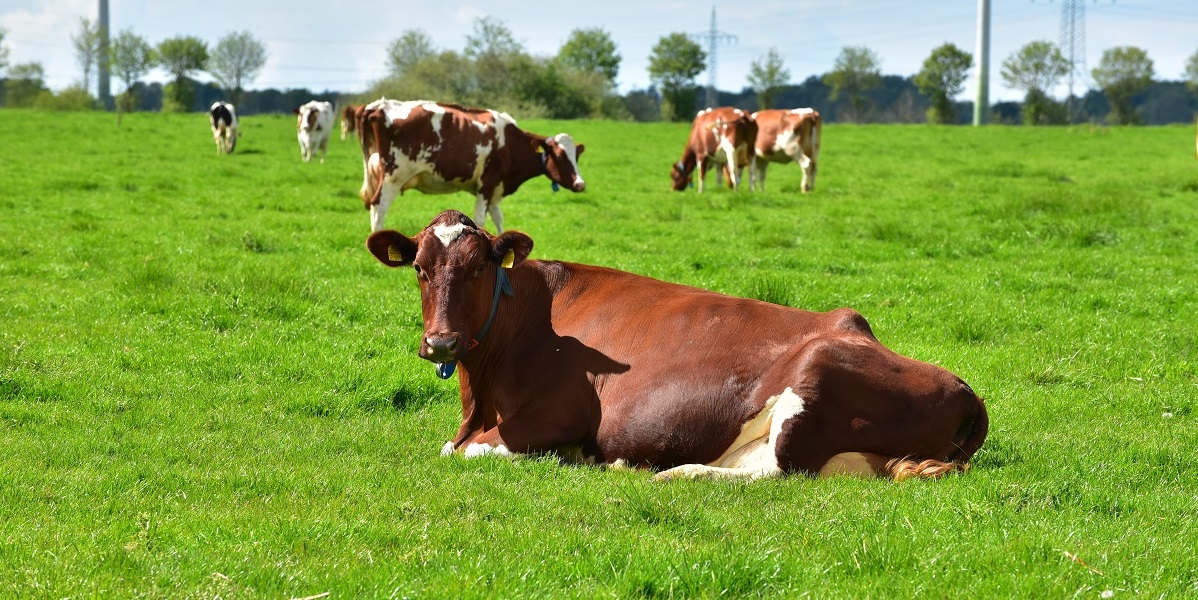
Animal welfare has become an important concern for the agribusiness sector. The way animals are raised for food is receiving greater attention from producers and consumers who want to know more about the products they purchase.
Providing appropriate conditions for farm animals is an important part of responsible animal production. Nutrition, water, housing, the environment and handling all play a role in how animals are cared for throughout their lives.
As this subject gains greater visibility, animal welfare is becoming part of the discussion about how food is produced and what consumers expect from the industry.
The consumer is paying attention
Food companies can invest in new products and marketing campaigns, but these efforts also need to consider changes in consumer expectations.
Consumers are increasingly concerned about their health and about the origin of the food they buy. They want to know where the product on their table comes from and under what conditions the animals
were raised before becoming part of the food supply.
This has made animal care an important consideration for the agricultural industry.
Consumers are also willing to pay more for products made with animal welfare in mind. A product carrying an animal welfare certification can be perceived as being of higher quality than one that provides no information about how the animals were raised.
For the industry, this means that good animal care practices are becoming increasingly important to the way products are produced and presented to consumers.
How did animal welfare become part of animal production?
The discussion about animal welfare began in the 1960s. In 1979, the publication of the Five Freedoms by the Farm Animal Welfare Council gave greater importance to animal welfare in discussions about farm animal production.
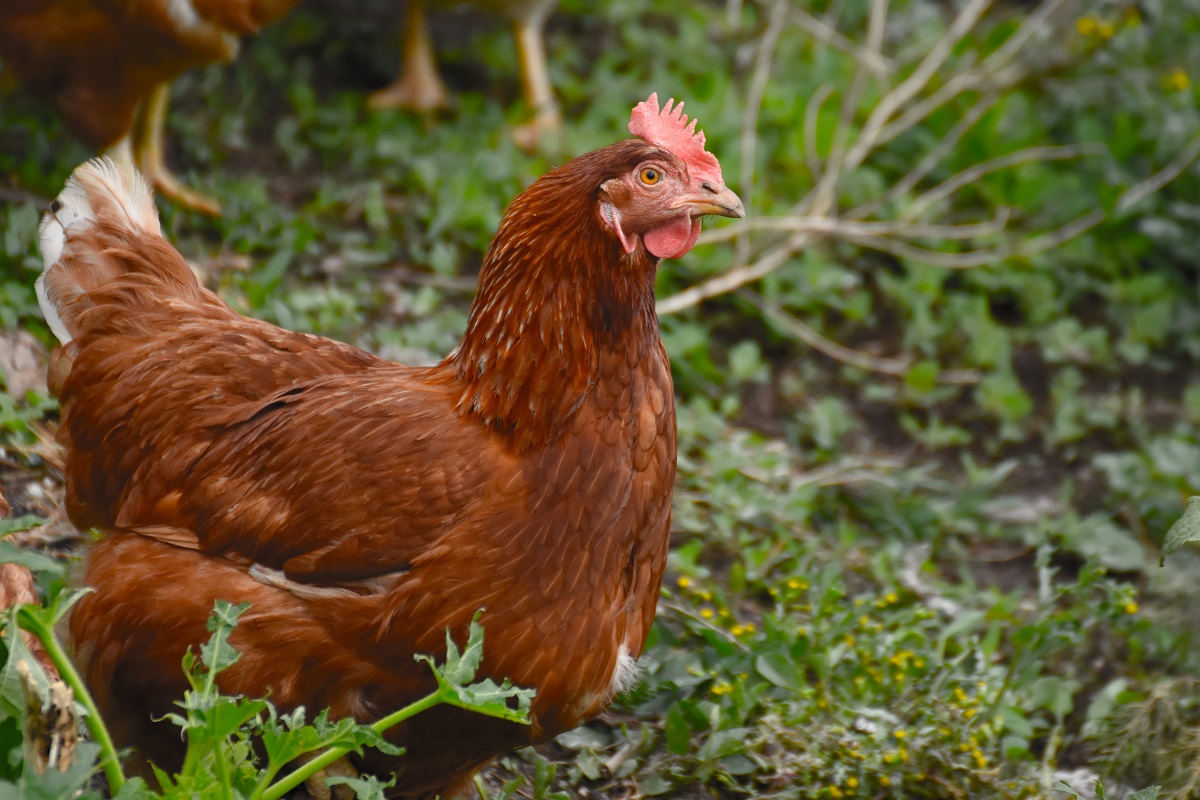
From that point forward, issues related to animal care became part of the conversation surrounding agricultural production.
Infrastructure, food, water, transportation and animal nutrition are among the aspects that need to be considered when looking at the conditions in which farm animals are raised.
Why do nutrition and environmental conditions matter?
Environmental management and animal nutrition are important elements of animal welfare.
hese practices also play an important role in preventing problems that can cause significant losses to the agricultural industry, such as salmonella outbreaks. The occurrence of the bacteria is associated with factors including inadequate hygiene and cleaning in environments where poultry and pigs are raised, poor management of waste and other residues, contaminated water, and a lack of control over birds, flies and rodents.
Nutrition is another factor that deserves particular attention.
Proper care of the environment and the food provided to animals is therefore an important part of managing production and protecting animal health.
Why does animal welfare certification matter?
Consumers who want to know whether a product has been produced with animal welfare in mind need reliable information. Certification provides a way to identify products that follow defined animal welfare standards.
The Certified Humane® program works to improve the lives of farm animals from birth through slaughter. Since 2003, Certified Humane® has followed the Humane Farm Animal Care (HFAC) Standards Manual.
The program’s standards establish specific animal welfare requirements and consider the characteristics of each species.
They are reviewed by a Scientific Committee made up of approximately 40 professionals from around the world. The committee studies the specific characteristics of each species to establish appropriate requirements for their care.
For consumers, the certification provides information about the standards followed in the production of a product. For producers and food companies, it offers a way to demonstrate their commitment to animal care through defined requirements.
Frequently Asked Questions About Animal Welfare
What are the Five Freedoms?
The Five Freedoms are principles that became an important reference in discussions about farm animal welfare following their publication by the Farm Animal Welfare Council in 1979.
When did Certified Humane® begin following the HFAC Standards Manual?
Certified Humane® has followed the Humane Farm Animal Care (HFAC) Standards Manual since 2003.
What aspects of production are related to animal welfare?
Infrastructure, food, water, transportation, animal nutrition and environmental management are among the aspects related to animal welfare in farm animal production.
Do the standards consider the specific needs of different species?
Yes. The standards consider the specific characteristics of each species when establishing animal welfare requirements.
Learn more about Certified Humane® animal welfare standards
Published on September 4, 2026