
Understanding the requirements to ensure pig welfare
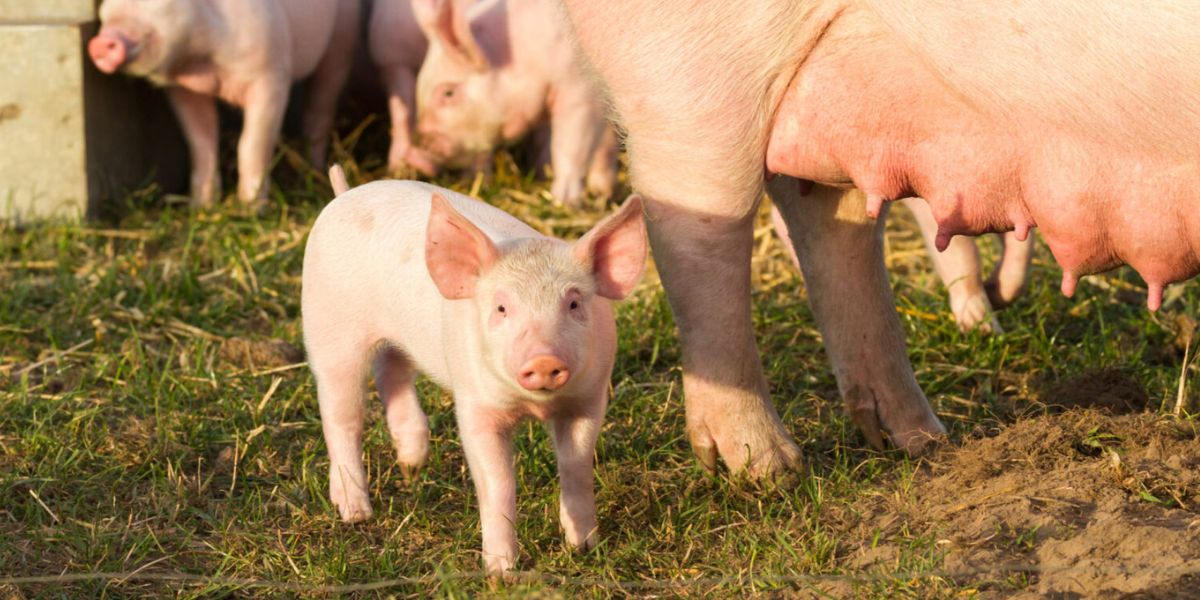
Contrary to what many people believe, providing pigs with adequate feed alone is not enough to ensure they live well. Like all farm animals, pigs require an environment suited to their species, which reduces stress and increases productivity.
Whether pigs are raised indoors or outdoors, quality standards and good management practices must be followed to guarantee their welfare.
These standards are established and monitored by the Certified Humane® Institute, the representative in Latin America and Asia of Humane Farm Animal Care (HFAC), the leading international organization dedicated to improving the lives of farm animals and responsible for the Certified Humane® animal welfare certification seal.
Raising pigs in inadequate environments leads to a range of negative consequences.
When forced to live in overcrowded spaces without proper ventilation to remove dust and harmful gases (such as ammonia), or when exposed to excessive heat or cold without shelter, pigs experience prolonged stress and metabolic disorders. These conditions can weaken the immune system, affect meat appearance, and reduce product quality.
Providing proper care and suitable environments for each type of pig facilitates management and reduces operating costs.
Specific Requirements
In addition to nutrition, handling, and farm management, each governed by specific standards, the environment where pigs are raised must not be improvised or deficient.
Housing must be designed to provide comfort and calm throughout all production stages, enabling pigs to meet their physiological and behavioral needs.
This means providing appropriate environments for each category, adults, breeding females, and piglets, according to their specific requirements.
For example, sows in farrowing areas must have straw bedding, nesting material, and a resting space large enough to turn around freely.
Crates are strictly prohibited!
Housing requirements for piglets specify minimum resting areas and total space per animal based on growth stage. These areas must increase as pigs grow and gain weight.
In general, all pigs must be kept in environments that do not cause discomfort, stress, or injuries. Toxic materials or surfaces coated with unapproved paints or disinfectants must not be used.
Housing must provide adequate ventilation, comfortable temperatures, and bedding (such as straw or rubber flooring) in sufficient space for all animals to lie down comfortably.
Detailed measurements and requirements for housing at each production stage, as well as standards for other farm animal species, are described in the Certified Humane® animal welfare program guidelines.
Herd Health
Pig health and welfare are ensured through a set of good-practice standards, including:
- Appropriate environments tailored to species-specific needs;
- Nutrition formulated according to production stage and access to fresh, quality water;
- Calm handling using proper tools;
- Responsible and rigorous production management.
Additional care is also required.
Every pig production system must have a written Animal Health Plan (AHP), regularly updated by a veterinarian. The plan details vaccination schedules, health treatments (such as parasite control), causes of disease, mortality data, and more. All sudden deaths must be recorded and investigated.
Herd performance must be continuously monitored to detect disease signs or disturbances, such as unexpected weight loss. Facilities must allow for the immediate separation and treatment of sick or injured pigs.
Farms must also be prepared, when necessary, for trained staff or a veterinarian to carry out humane euthanasia on-site for animals that are severely ill or injured with no chance of recovery, ensuring suffering is not prolonged.
Protocols must also exist for quarantining incoming pigs and for carcass disposal.
By respecting all conditions that ensure ideal management and environments that minimize stress, farms can guarantee pig welfare. Products from such systems are eligible for Certified Humane® certification, earning market and consumer trust.
→ Learn everything about animal welfare certification now.
Published on April 6, 2026