

Dairy cattle farming: practical tips for nutrition and housing
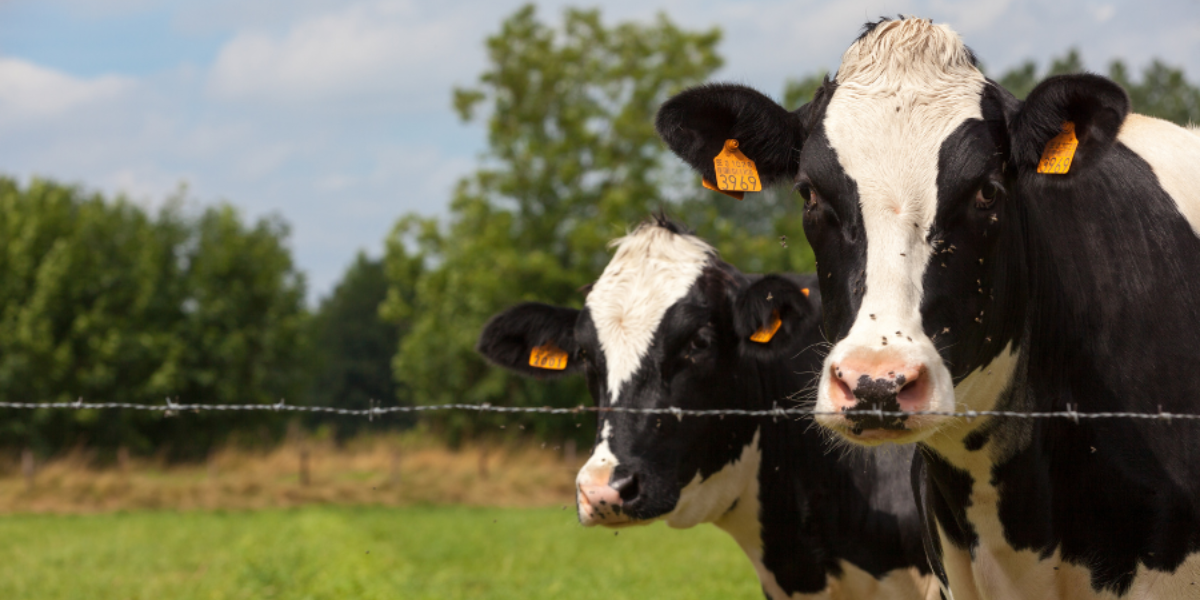
As with other species, dairy cattle farming requires producers to comply with specific requirements. Only by meeting the particular needs of these animals can their welfare be ensured, bringing highly positive outcomes for brand reputation and product quality.
Developed from scientific research, veterinary recommendations, and producers’ experience, the Certified Humane® standard for dairy cattle establishes species-specific requirements. By complying, producers earn the right to display the Certified Humane® seal on product labels and in company marketing communications.
Proper nutrition and the environment in which cattle are raised are detailed in specific chapters of the standard, including particular requirements so calves and bulls can feed, exercise, and rest safely without injury.
Follow along to discover practical tips for dairy cattle nutrition and housing.
Nutrition of dairy cattle
Cattle must have access to a diet that is healthy and appropriate for their age and production stage, in sufficient quantity for all animals. Certain feeds and veterinary products are strictly prohibited.
Practical recommendations:
- Feed containing protein derived from mammals or birds is prohibited, except milk and milk by-products;
- Recombinant bovine somatotropin (rbST) must not be used to stimulate productivity;
- Cattle must never be fed antibiotics, ionophores, coccidiostats, or other substances to promote performance, feed efficiency, or milk yield;
- Antibiotics for disease treatment may only be administered under veterinary guidance;
- Adult cattle and calves over 30 days old must receive fiber sources that stimulate rumination;
- Dairy cows should be fed primarily quality pasture and forage in sufficient quantity;
- Feeders must be clean, easily accessible, and provide enough space for all animals to eat simultaneously;
- The entire herd must have daily access to clean, fresh drinking water, with contingency supply for emergencies such as drought;
- All animals must maintain a body condition score of at least 2, according to the standard’s classification table
Nutritional requirements for calves
Calf nutrition must meet specific requirements to ensure healthy development:
- Calves must have constant access to clean, fresh water from the first week of life;
- Newborn calves must receive 2–4 liters of colostrum from the mother, another recently calved cow, or frozen colostrum within the first 6 hours of life;
- Calves must not be weaned before 5 weeks of age, and weaning should be gradual by diluting milk with water;
- After 30 days of life, calves must receive daily feed or forage containing digestible fiber.
Suitable environment for dairy cattle
Housing must not cause physical, thermal, or emotional discomfort and must allow natural behaviors. Animals must have full freedom of movement to lie down, stand up, turn around, groom, and stretch. Tethering is strictly prohibited.
Key recommendations:
- Farms must keep records including total floor area, number of pens or stalls, resting space size, maximum stocking density by age and weight, and feeder and drinker availability;
- Floors must be non-slip and free from elements that cause recurring injuries;
- Barn height must allow normal behavior during mating season, and passageways must permit safe movement without hoof damage;
- Animals housed in loose systems must have shelter from wind and access to a dry, well-drained resting area with sufficient space and comfort; shade structures must accommodate all animals simultaneously;
- Loose housing must provide at least 5.6 m² per adult cow so they can lie down at the same time;
- Bedding must be at least 7.5 cm deep; suitable substrate or rubber flooring (minimum 2.54 cm thick) may be used to absorb moisture;
- Ammonia concentration must not exceed 25 ppm in extreme cases;
- Ventilation must maintain relative humidity below 80%, and lighting must allow inspection at any time;
- Calving areas must be clean, dry or well-drained, and have access to water;
- Milking parlors must be kept extremely clean; milking equipment must be frequently calibrated and properly maintained.
Housing requirements for bulls and calves
Specific requirements also apply to bulls and calves:
- Bulls must have individual housing areas of at least 14 m²; large bulls require 1 m² of resting space per 60 kg of body weight and at least 28 m² of exercise area;
- After weaning, calves must be grouped by similar age and size and have access to an outdoor area;
- Calves must have a resting area in solid-floor housing (no slats) with clean, dry bedding and adequate slope for drainage; individual housing is permitted up to 8 weeks of age with appropriate space for age, size, and breed.
Published on March 23, 2026