

How to prevent cannibalism among laying hens
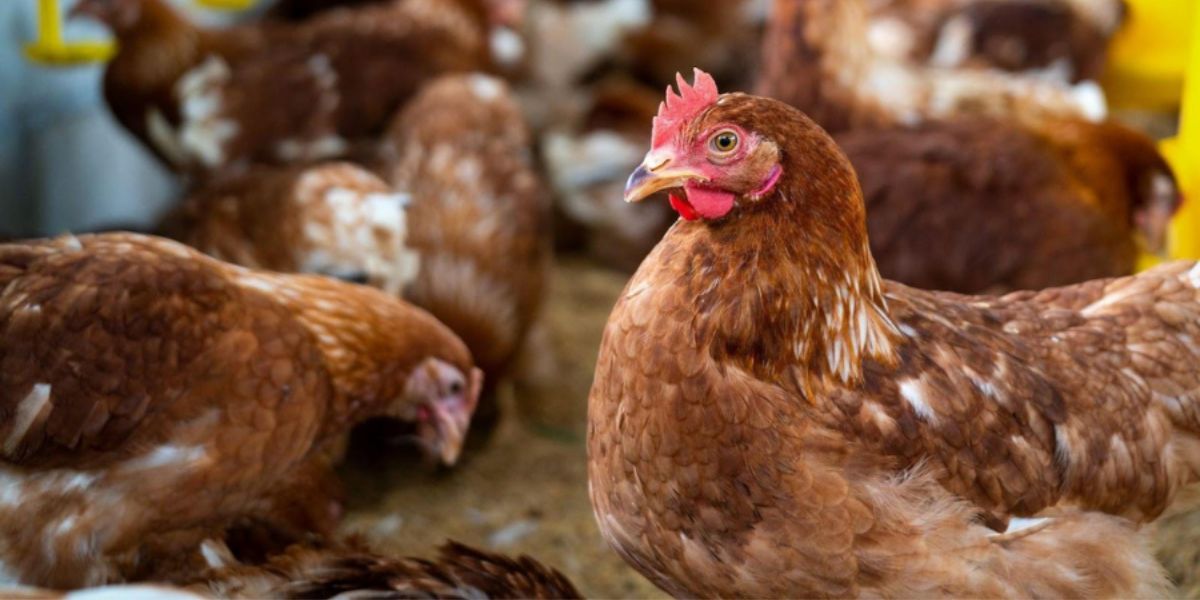
Cannibalism among hens is a serious behavioral change that reflects improper flock management, one that can be reversed and prevented. In fact, cannibalism is considered abnormal behavior in poultry.
Nutritional deficiencies or restricted access to feed are often the initial triggers that lead hens to start feather pecking and eventually cannibalism, but they are not the only causes.
Excessive lighting, lack of space and hygiene, inadequate housing, or aggression can also act as stress factors that induce pecking behavior.
When birds are raised under proper conditions, with adequate nutrition, sufficient space, and ensured welfare, they are free to express natural and healthy behaviors.
Continue reading to learn how to prevent cannibalism in laying hens and understand the importance of following animal welfare requirements.
Warning signs that hens may develop cannibalistic behavior
Just as multiple factors can stress laying hens to the point of cannibalism, there are also clear signs that indicate when birds may be developing this abnormal behavior. Producers should watch for:
- Sudden changes in flock management, including staff changes;
- Downy feathers appearing on the dorsal tail area, or broken feathers on the tail, wings, or behind the head;
- Competition for feed and water at feeders and drinkers;
- Declining egg production;
- Birds living in excessive dirt or showing body wounds;
- Birds with more abdominal fat than normal;
- Restricted or prevented access to outdoor areas in free-range systems (birds may become frustrated when confined indoors).
Individually or together, these signs indicate that essential management practices may be inadequate.
The earlier feather pecking is detected, the lower the production losses and welfare impacts. If no action is taken, the situation can escalate into severe cannibalism.
How to prevent this behavior
One effective way to prevent cannibalism is to follow an animal welfare program such as Certified Humane®, which helps:
- Prevent lice, parasites, and diseases;
- Keep dogs and other predators away from the flock;
- Provide a balanced diet in adequate quantities;
- Maintain clean housing free of sharp objects, excessive lighting, and improper temperatures;
- Provide sufficient bedding, perches, feeders, and drinkers for all birds;
- Ensure trained staff handle birds calmly and carefully;
- Perform minimal beak trimming if necessary, in accordance with animal welfare standards;
These measures are essential for cage-free poultry production throughout all life stages, ensuring proper management and preventing stress-induced behavioral changes such as cannibalism.
Importance of following welfare requirements for hens
Clear, objective, and purpose-driven, welfare requirements for laying hens provide producers with a compassionate production standard to follow.
Internationally proven, the Certified Humane® animal welfare standard improves animals’ lives while producing high-quality products.
→ Laying hen production: learn the requirements for pullet rearing and flock management.
Published on March 9, 2026