
Animal welfare: myths and facts
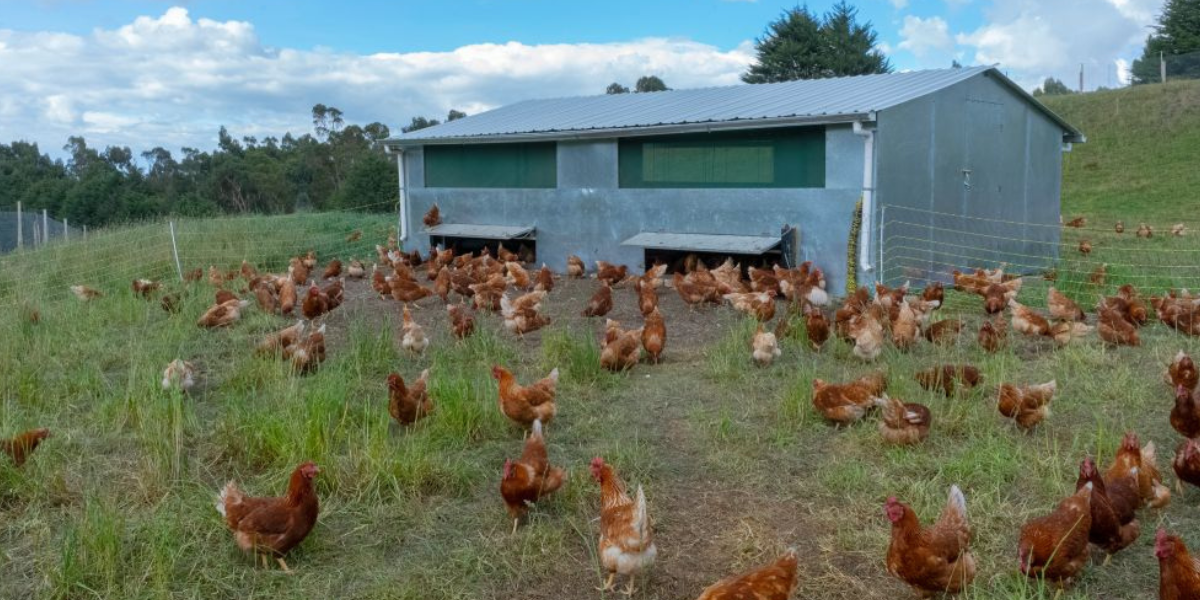
When it comes to animal welfare, it’s common to encounter doubts and misconceptions about the certification process. Many producers and companies believe the seal is only for large-scale operations, involves high costs, or requires a bureaucratic process. But are these obstacles really true?
In this article, we break down the main myths and facts about animal welfare certification to show that the path toward more ethical and responsible production is more accessible than it seems. If you work with animal production or use animal-based products in your supply chain, this is worth reading.
Is certification really for everyone?
Yes. Contrary to popular belief, animal welfare certification does not depend on the size of the farm or company. What truly matters is the commitment to best practices. Both small and large producers can become certified, as long as they follow the standards and are organized to meet the established criteria.
Is it expensive?
No. The process involves clear and proportional fees based on the size of the operation. Costs include document review, on-site audits and annual renewal. In fact, certification can lead to long-term savings, animals raised with proper care get sick less often, are more productive and add value to the final product.
Is it a complicated process?
Another myth. The standards are objective and science-based. They guide how to ensure that animals have enough space, comfort, proper access to food and clean water, and live free from pain, stress and mistreatment. With proper planning and transparency, any producer can comply.
Why do these myths still exist?
Much of the resistance comes from misinformation. As with any improvement process, questions and hesitation are common. But the market has evolved, and consumers are paying more attention to the origin of what they consume. Being certified is also a way to stand out and strengthen your market position.
Is the Certified Humane® label truly reliable?
Yes. Since 2003, the program has been active in several countries, including Brazil, Canada, Chile, Peru and the United States,certifying meat, dairy, and egg producers through rigorous and regular audits. The seal assures consumers that the product complies with international animal welfare standards.
There are no economic or geographic barriers for those who want to produce ethically. The first step is seeking reliable information. The Certified Humane® seal is within reach for anyone who values respect for farm animals and aims to offer more responsible products.
Want to learn more about how certification works and debunk the most common myths?
👉 Download the free guide “What You Need to Know to Certify Your Industrial Operation with an Animal Welfare Seal” and discover why this practice benefits producers, businesses, and consumers alike.
Published on October 31, 2025