

How to identify and prevent the main diseases in broiler chicken production
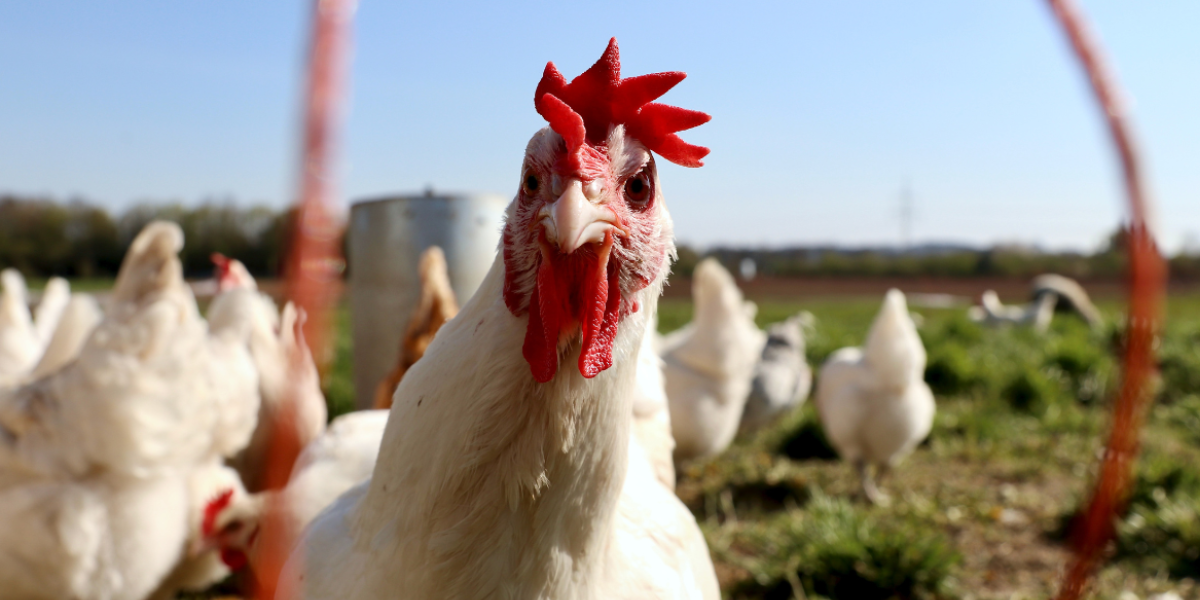
The health of broiler chickens is directly linked to the safety of the food that reaches consumers’ tables. These birds are particularly sensitive to viral and bacterial infections which, if not properly prevented, can compromise not only production performance, but also animal welfare and the sustainability of the operation.
That’s why knowing the most common diseases and applying good practices in handling, nutrition, and biosecurity are essential steps toward ensuring a healthy and profitable production system.
What are the most common diseases in broiler chickens?
Below are some of the most frequent diseases found in broiler chickens and the risks they pose:
Newcastle Disease
Caused by a highly contagious virus, it affects domestic and wild birds. Often confused with other diseases, it impacts the respiratory, digestive, and nervous systems.
Salmonellosis
Caused by bacteria from the Salmonella genus, it is often associated with environments that have high population density. It can lead to three different illnesses: pullorum disease, fowl typhoid, and paratyphoid.
Infectious Laryngotracheitis
A viral infection that affects the larynx, trachea and lungs. It is highly transmissible, presents a high mortality rate, and can result in considerable economic losses.
Infectious Coryza
It causes nasal discharge, swelling around the eyes, and in severe cases, destruction of the eyeball.
Infectious Bronchitis
Caused by a virus that affects the respiratory tract, kidneys, and reproductive system, it leads to significant production losses.
Avian Influenza
It is a major global concern. This virus can infect birds and mammals, including humans.
Other respiratory diseases also threaten flock health, such as avian pox, colibacillosis, mycoplasmosis and avian pneumovirus.
How to prevent disease in broiler chickens?
The best way to prevent disease is to ensure that animals are raised under conditions that promote animal welfare. This includes:
- A vaccination program tailored to the specific characteristics of the region and flock;
- Well-ventilated environments with adequate space and controlled temperature;
- Continuous access to clean, treated water;
- A balanced diet aligned with the birds’ growth stages;
- Strict hygiene of litter, equipment, and barns;
- Minimization of stress factors, such as excessive noise or overcrowding.
Raising birds in environments that meet these criteria strengthens their immune systems, making them less susceptible to diseases and more productive throughout their lifecycle.
Why is animal welfare essential in disease prevention?
Animals that experience less stress and have freedom of movement, along with continuous access to appropriate resources, tend to be more immunocompetent. This means their natural defenses are better equipped to fight off infections, reducing the need for antibiotics or other interventions.
By investing in animal welfare, producers not only improve the quality of the final product but also meet the requirements of both domestic and international markets and adding value to their brand.
Eight essential animal welfare aspects for broiler chickens
- A balanced diet appropriate for age and developmental stage.
- Clean, fresh water available at all times, with no leaks that may wet the litter.
- Space that allows the expression of birds’ natural behaviors.
- Clean, dry, and contamination-free flooring.
- At least six hours of darkness per day and adequate shading if outdoor access is provided.
- Controlled temperature and ventilation to avoid heat stress.
- Air quality, with low levels of ammonia and dust.
- Proper management of pasture access, when applicable, to prevent contamination.
Published on October 24, 2025