
Why choose products with the Certified Humane® label?
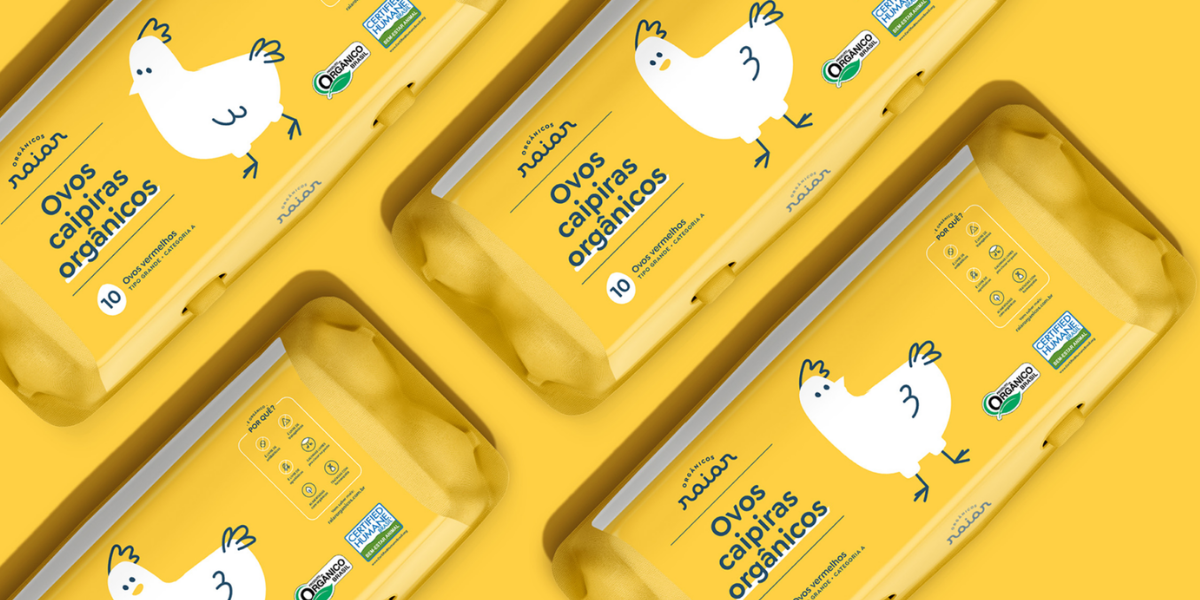
The Certified Humane® label is much more than a symbol on packaging. It represents technical credibility, the result of independent audits that verify compliance with clear, science-based animal welfare standards, from birth through slaughter.
By choosing products with the label, consumers can be confident that the animal protein on their table was produced ethically, transparently, and responsibly. This means animals were raised in environments designed to allow freedom of movement, access to clean water, proper nutrition and handling practices that prevent unnecessary suffering.
The consumer: a driving force
More and more, consumers are seeking food with transparent origins and production systems that respect animal welfare. Choosing certified products is not just a purchasing decision, it’s an investment in a more humane and fair supply chain.
This consumer behavior drives demand and pressures the entire industry to change. When people prioritize products with the Certified Humane® label, they help shift ethical practices from being the exception to becoming the norm.
The role of retail and industry
While consumers are key players, the retail and food industries are essential for enabling large-scale change.
- Retailers have direct contact with millions of people every day. By offering certified products and communicating their value at the point of sale, supermarkets help educate consumers and make ethical food choices more accessible.
- The food industry, in turn, has the power to influence large volumes. When a company commits to using only certified eggs or meat in its recipes, it compels its entire supply chain to comply, raising the standard of animal welfare across the board.
This combined movement makes certification a strategic tool, one that aligns social responsibility, sustainability and competitiveness.
Certification is not marketing, it’s a guarantee
It’s important to clarify: Certified Humane® does not certify slogans, ad campaigns, or vague promises. What’s audited are the actual on-farm and in-plant conditions, verified by independent experts and based on science.
This means a product can only carry the label if its entire production process strictly complies with the technical standards and this compliance is continuously evaluated, not just during an initial audit.
A one-way path forward
The numbers highlight the strength and global reach of this movement. Since expanding to Asia in 2019, the Certified Humane® program has benefited more than half a billion animals only last year through inspections conducted in hundreds of farms and food companies, representing thousands of producers across more than 20 countries: Argentina, Australia, Brazil, Canada, Chile, Colombia, Costa Rica, Ecuador, India, Indonesia, Jordan, Laos, Malaysia, Mexico, New Zealand, Peru, Singapore, Turkey, the United States, Uruguay and Vietnam.
The trend is clear: animal welfare is no longer just a market differentiator, it’s a growing demand from consumers and international markets alike.
Choosing products with the Certified Humane® label is more than a purchase decision, it’s a way to support a food system that is more ethical, sustainable and transparent. It also sends a clear message to retailers and the industry: animal responsibility is a non-negotiable value.
When consumers, retailers, and the food industry move together, the result is real transformation, one that benefits not only the animals, but also producers, companies, and society as a whole.
Published on November 7, 2025