

Logo Logo Logo Logo Logo
  • Certified Companies in Asia
  • LOCAL LANGUAGES
    • Indonesia
    • Japan
    • Thailand
    • Vietnam
  • BLOG
    • English
    • Bahasa Indonesia
    • Tiếng Việt
    • ไทย
    • 日本語
  • Contact Us
  • Main HFAC Website
  • Certified Companies in Asia
  • LOCAL LANGUAGES
    • Indonesia
    • Japan
    • Thailand
    • Vietnam
  • BLOG
    • English
    • Bahasa Indonesia
    • Tiếng Việt
    • ไทย
    • 日本語
  • Contact Us
  • Main HFAC Website

Learn about poultry behavior and improve animal management and welfare
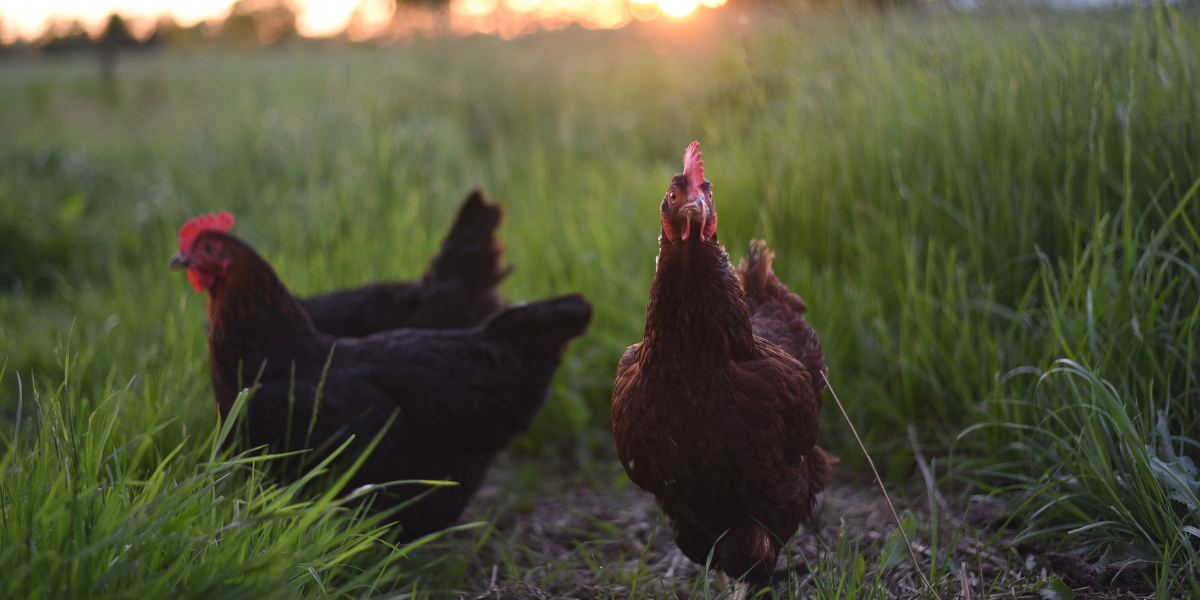
Providing welfare for poultry reduces costs and risks, improves the working environment, increases productivity, improves the quality of the end product and also meets the regulation of international markets. To do this, it is crucial to know the characteristics and behavior of the birds and how they relate to the environment. 

Among other possible definitions, welfare is, in the words of Barry O. Hughes, “(…) a state of complete physical and mental health in which the animal is in harmony with its environment”. In order to give birds a life of wellbeing, it is necessary to use facilities, equipment and techniques, as well as staff training, that guarantee peaceful handling and low stress for animals and breeders. 

Stay with us and learn more about how knowing bird behavior can improve animal management and welfare!

Poultry behavior 

Understanding poultry behavior means being able to recognize signs of stress, illness and pain in animals, as well as identifying abnormal behaviors early on, in order to effectively manage these situations and create a balance between ethical production and economic profitability. The way they walk, eat, look, group together, fight or flee contributes to their survival – and their way of acting is determined by two types of behavior:

Innate behavior → Reactions pre-programmed even before the chicken’s birth that don’t depend on experience and are typical of the species, i.e. “birds are born knowing/doing them”. 

Learned behavior → Depends on the individual experiences of each bird, in other words, their behavior is shaped according to the positive or negative experiences they have. 

Omnivorous, farmed poultry eat anything from seeds to small invertebrates when given the opportunity and spend more than 90% of their time scratching and searching for food, even in places where feed is available. The bird’s sensory repertoire is stimulated by what it hears, smells and sees so that it reacts according to each situation. 

Chickens live in small groups of 5 to 30 individuals whose order is dictated by the dominance of some individuals and the submission of others. This social dynamic remains even when they are kept loose in sheds or aviaries. Body posture is an important sign of dominance, as are weight, size, age and genetics.

Escape zone 

The escape zone is a circular area around the bird that it has defined for itself according to its tolerance to the presence of strangers and threats before initiating an escape. The chicken tends to flee when this area is invaded, but in situations where there is no room to escape, they may stall or fight. 

When raised in large groups of other birds, the invasion of their individual space leads to increased stress and aggression.  

Sensory characteristics 

Poultry evaluate new stimuli through sight and hearing before reacting: if the reaction is fear, they can panic and jeopardize their own well-being, suffer bodily harm and result in economic losses. Fear generates reactions of fight, flight or fright (paralysis) and, when it realizes that there is no danger, it loses interest. 

The bird may stop consuming food if it is afraid or feels threatened. 

Vision

With their eyes located on the sides of their heads like all prey species, poultry have binocular vision (when they can see a narrow strip in front of them with both eyes), monocular vision (wide and panoramic to the sides) and a blind area (behind the body, making it easier for them to be caught from behind). They are animals that see colors but don’t perceive depth well, especially right in front of their head. 

Hearing and communication 

Hearing and vocalization are essential for birds: with a wide repertoire of vocalizations, birds provide information for others to hear and react quickly – in the case of the presence of predators, for example. 

Birds’ vocalizations change depending on the type of challenge they perceive. In the case of terrestrial predators, birds stand still, upright and emit rapid, low-pitched vocalizations. When they are aerial predators, they increase the intensity of their vocalizations while ducking and running for cover. 

Learned behavior 

Compared to pigs, cattle and sheep, chickens have a lower capacity for learning – their learning is generally focused on satisfying basic needs such as moving around the environment where they are being housed, choosing the best food, avoiding danger and recognizing people, as well as reacting according to environmental stimuli (light, temperature, the presence of other birds, for example).  

Even so, the previous experiences the chickens have had during handling will affect their future reactions to fear and stress. When they are raised in open environments, with a lower population density, and handled by people who move between them calmly and without sudden movements and loud noises, the birds are more docile, less reactive and fearful and can be stimulated to adapt to new situations more easily. 

→ Download the educational material How to Become a Certified Humane® Egg Operation

Published on July 5, 2025

Categories:
Chickens, Content by species, Laying Hen
Tags:
animal management, animal welfare, poultry behavior


Search
Blog Categories
  • Certification
  • Content by language
    • Bahasa Indonesia
    • Tiếng Việt
    • ไทย
    • 日本語
  • Content by species
    • Atlantic Salmon
    • Beef Cattle
    • Bison
    • Chickens
    • Dairy Cattle
    • Goat
    • Laying Hen
    • Pig
    • Sheep
    • Turkey
  • Market
  • Producer
  • Technical
  • World


Links
  • Contact Us
  • Blog
  • Certified Companies in Asia
  • Certification Inquiry
  • Privacy Policy
  • Main HFAC website
Cookie Settings
FOLLOW US ON SOCIAL MEDIA
Certified Humane® Asia's Logo
Certified Humane® Asia
Visit Our Pages by Asian Languages

ACCESS OUR MAIN WEBSITE
 Certified Humane Raised & Handled
certifiedhumane.org
Receive the latest news about animal welfare

Copyright 2024 – 2026 Certified Humane Institute in Asia. | Website by Infomídia.

Certified Humane® Asia | Animal Welfare
Legal Notice
This site uses cookies to personalize your experience. You can find out which cookies we use and disable them. By clicking 'I Accept,' you authorize the use of cookies.
Cookie SettingsI ACCEPT
Manage consent

General Information on Privacy and Cookies

Cookies are used to allow the site to provide basic functionality, improve performance, and enhance a personalized experience. Learn more: Privacy Policy

 
Necessary
Always Enabled
Necessary cookies are essential for the website to function properly. These cookies ensure basic functionalities and security features of the site in an anonymous manner.
CookieDurationDescription
__cfduid1 monthThe cookie is used by CDN services like CloudFlare to identify individual clients behind a shared IP address and apply security settings on a per-client basis. It does not correspond to any user ID in the web application and does not store any personally identifiable information.
cookielawinfo-checbox-analytics11 monthsThis cookie is set by the cookie management system - GDPR Cookie Consent. It is used to store the user's consent for cookies in the "Analytics" category.
cookielawinfo-checbox-functional11 monthsThis cookie is set by the cookie management system - GDPR Cookie Consent. It is used to store the user's consent for cookies in the "Functional" category.
cookielawinfo-checbox-others11 monthsThis cookie is set by the cookie management system - GDPR Cookie Consent. It is used to store the user's consent for cookies in the "Others" category.
cookielawinfo-checkbox-advertisement1 yearThis cookie is set by the cookie management system - GDPR Cookie Consent. It is used to store the user's consent for cookies in the "Advertising" category.
cookielawinfo-checkbox-analytics11 monthsThis cookie is set by the cookie management system - GDPR Cookie Consent. It is used to store the user's consent for cookies in the "Analytics" category.
cookielawinfo-checkbox-necessary11 monthsThis cookie is set by the cookie management system - GDPR Cookie Consent. It is used to store the user's consent for cookies in the "Necessary" category.
cookielawinfo-checkbox-performance11 monthsThis cookie is set by the cookie management system - GDPR Cookie Consent. It is used to store the user's consent for cookies in the "Performance" category.
viewed_cookie_policy11 monthsThis cookie is set by the cookie management system - GDPR Cookie Consent. It is used to store whether or not the user has given their consent for the use of cookies. It does not store any personal data.
Others
Other cookies are those that have not yet been categorized and are still being analyzed, without being classified into any specific category.
CookieDurationDescription
_rdlps_pp6 monthsRD Station cookie used to prevent the same visitor from having to answer the same questions in a smart form.
From 1 day to 3 monthsRD Station Marketing cookie used to prevent the same popup from being shown to the same visitor repeatedly within a short period of time.
AppKey12 hours and 28 minutesA unique UUID value assigned by Where2GetIt to a specific locator; one of two ways to ensure that only the authorized client loads and uses the page and resources.
Authsite12 hours and 28 minutesURL that was authorized to use this locator; the second part of Where2GetIt's security to ensure that only the authorized client uses the page and resources.
cookieconsent_status_1 yearRD Station Marketing cookie used to save cookie preference responses, so that the same question is not asked again during the validity of this consent..
W2GISM12 hours and 28 minutes
A session cookie used by Where2GetIt to store cached values. It allows us to ensure that requests come from the authorized page to access the data (appkey), requests for the correct account (authsite), and to track the number of users/visitors in the session (W2GISM).
yt-remote-connected-devicesneverThis HTML storage key is used to regulate the behavior of the embedded YouTube video player.
yt-remote-device-idneverIt stores the user's preferences regarding the video player used by the embedded YouTube video.
Analytics
Analytical cookies are used to understand how visitors interact with the site. These cookies help provide information on metrics such as the number of visitors, bounce rate, traffic source, etc.
CookieDurationDescription
__rd_experiment_version1 yearRD Station Marketing cookie used to ensure that a user always sees the same version of the A/B test and guarantees consistency of results and experience.
__trf.src2 yearsRD Station cookie used to store the source reference of a user's visit to your website.
_ga2 yearsGoogle Analytics installs this cookie. It is used to calculate visitors, sessions, campaign data, and to track site usage for the Analytics report. The cookies store information anonymously and assign a randomly generated number to identify unique visitors.
_gat1 minuteGoogle Universal Analytics installs these cookies to control the request rate and limit data collection on high-traffic sites.
_gid1 dayThis cookie is installed by Google Analytics. It is used to store information about how visitors use a website and helps create an analytical report on website performance. The data collected includes the number of visitors, the source from which they came, and the pages visited anonymously.
_rdtrk9 years 9 monthsRD Station cookie used to store the list of all the pages a visitor has accessed within its domain.
CONSENT16 years 5 months 15 days 1 hour 28 minutesYouTube sets these cookies, which are used to track views of embedded videos.
rdtrk9 years 9 monthsRD Station cookie used to store the list of all the pages a visitor has accessed within its domain.
Advertising
Advertising cookies are used to deliver relevant ads and marketing campaigns to visitors. These cookies track visitors across websites and collect information to provide personalized advertisements.
CookieDurationDescription
_fbp3 monthsThis cookie is set by Facebook to deliver advertisements when users are on Facebook or a digital platform powered by Facebook advertising after visiting this website.
fr3 monthsThis cookie is set by Facebook to display relevant ads to users and to measure and improve ads. The cookie also tracks user behavior across the web on sites that have the Facebook pixel or social plugin.
IDE1 year and 24 daysUsed by Google DoubleClick, it stores information about how the user uses the website and any other advertisements before visiting the site. This is used to show users ads that are relevant to them based on their user profile.
NID6 monthsThis cookie is used to create a profile based on the user's interests and display personalized ads.
test_cookie15 minutesThis cookie is set by doubleclick.net. The purpose of the cookie is to determine if the user's browser supports cookies.
VISITOR_INFO1_LIVE5 months and 27 daysThis cookie is set by YouTube. It is used to track information about embedded YouTube videos on a website.
YSCsessionYouTube sets these cookies, which are used to track views of embedded videos.
Performance
Performance cookies are used to understand and analyze the main performance indicators of the site, which helps provide visitors with a better user experience.
CookieDurationDescription
_form_fields3 monthsCookie from RD Station used to quickly fill in fields previously completed.
SAVE & ACCEPT
Powered by CookieYes Logo