

Eight key animal welfare aspects for broiler chickens
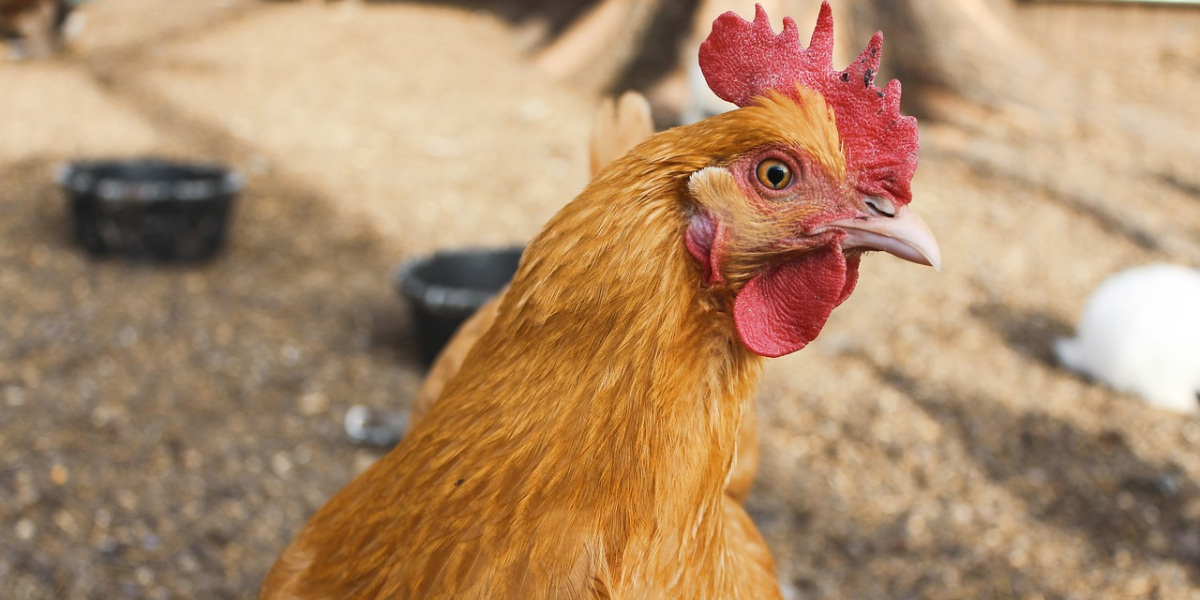
In Asia, China stands out as one of the world’s leading producers, with an estimated output of 15.35 million metric tons in 2024, according to the United States Department of Agriculture (USDA). However, this impressive volume still faces a major challenge: ensuring the welfare of broiler chickens.
Intensive production systems often ignore the basic needs of these animals, leading to overcrowded spaces, poor thermal comfort, inadequate lighting, and unbalanced diets. That’s where the Certified Humane label becomes essential. It establishes strict handling standards that prioritize the health, natural behaviors, and dignity of broilers throughout their entire lifecycle.
To clarify key doubts and demonstrate how certification promotes a more ethical and responsible production model, we’ve answered the most frequently asked questions about broiler chicken welfare. This content is valuable for both producers and conscious consumers.
How is broiler chicken welfare ensured?
Animal welfare is guaranteed when chickens are raised in environments that meet their physical, behavioral, and physiological needs. This includes balanced nutrition, continuous access to clean water, sufficient space for movement, temperature control, effective ventilation and proper lighting.
What are Certified Humane standards for broilers?
The Certified Humane® program is based on eight core pillars:
- Nutritious feed without growth-promoting antibiotics;
- Ample clean drinking water;
- Comfortable housing with space to move;
- Dry, safe bedding;
- Lighting with defined light and dark periods;
- Thermal comfort;
- Air quality control;
- Proper pasture management when outdoor access is provided.
What is humane broiler farming?
It’s a farming model that respects chickens’ natural behaviors and basic needs. This means ensuring conditions that minimize stress, avoid physical suffering and promote health and quality of life from birth to slaughter.
What are the requirements for certified poultry houses?
Poultry houses must allow free movement, protection from weather and toxins, environmental enrichment – such as perches, controlled lighting and a maximum stocking density of 30 kg/m². Electrical installations must also meet safety standards.
What should broiler chickens be fed?
Feed must be nutritionally appropriate and provided in sufficient quantity to avoid undernourishment or obesity. Growth-promoting antibiotics and animal protein (except eggs) are prohibited. Feeders must be clean, available in sufficient numbers and placed no more than 4 meters from the birds.
Can broilers eat feed with antibiotics?
No. Certified Humane standards prohibit the use of antibiotics for growth promotion. The focus is on keeping birds healthy through good management practices, not additives that may harm welfare.
What is the ideal stocking density for broiler houses?
The maximum allowed is 30 kg of birds per square meter. This ensures all birds can move freely, stretch their wings and access food and water without excessive competition.
Why should overcrowding be avoided?
Overcrowding increases stress, promotes the spread of disease and can cause physical injuries like footpad burns. It also makes it harder for birds to access food and water evenly, compromising overall welfare.
What should broiler floors and bedding be like?
Floors should preferably be concrete, with bedding that is dry, clean, absorbent, and dust-free at all times. Wire flooring and cages are prohibited. Bedding may include straw or grains to encourage natural scratching behavior.
What is the best type of drinker for broilers?
Drinkers may be bell-type (1 per 100 birds), nipple (1 per 20), or cup (1 per 28). Height must match the birds’ age, and equipment must avoid leaks that could wet the bedding.
Do broilers need outdoor access?
Not necessarily. However, if pasture access is provided, it must be well managed, with appropriate vegetation, shade, good drainage, and at least 1 hectare per 1,000 birds. Daily access for a minimum of 8 hours is required.
What is free-range broiler farming?
It refers to systems that provide outdoor access in protected natural areas. Birds can explore the outdoors from the fourth week of life. This system enables natural behaviors and can improve welfare, if properly managed.
How should temperature be managed for broilers?
Broilers must maintain a body temperature around 41°C. Variations above 4°C can be fatal. Poultry houses need efficient ventilation and, for those built after 2006, evaporative cooling systems are recommended.
What are the lighting requirements for broilers?
Chickens must receive at least 8 hours of light and 6 hours of darkness every 24 hours. This helps regulate biological rhythms, improves rest, and reduces stress.
How can stress be reduced in broiler production?
Through proper housing, controlled stocking density, environmental enrichment, defined light/dark cycles, balanced diet, and gentle handling. Stress weakens the immune system and impairs bird development.
Can flooring cause leg pain in broilers?
Yes. Wet, dirty, or inappropriate flooring can cause foot and hock injuries known as contact burns. These lesions are painful, increase the risk of infection, and impair movement.
What is environmental enrichment in poultry houses?
It involves adding elements that stimulate natural behaviors, such as perches, pecking objects, and foraging substrates. Enrichment reduces boredom and stress, improving psychological well-being.
How to improve ventilation in poultry houses?
Using mechanical or natural systems that ensure constant air renewal, temperature control, and contaminant reduction. In newer houses, evaporative cooling systems are recommended.
How to ensure good air quality for broilers?
Maintain low concentrations of ammonia, carbon dioxide, carbon monoxide, and dust. Adequate ventilation and regular cleaning are essential to prevent respiratory diseases.
What practices are prohibited in Certified Humane broiler farming?
The use of cages, growth-promoting antibiotics, animal protein in feed (except eggs), wire flooring, continuous lighting without darkness, and overcrowding. These go against the welfare principles of the Certified Humane program.
How to obtain the Certified Humane seal for broiler production?
Producers must fully comply with program standards, undergo audits, and maintain up-to-date records. The full standard is available on the Certified Humane Asia website for interested producers.
Published on November 14, 2025