

What is the Importance of Sustainable Milk Production?
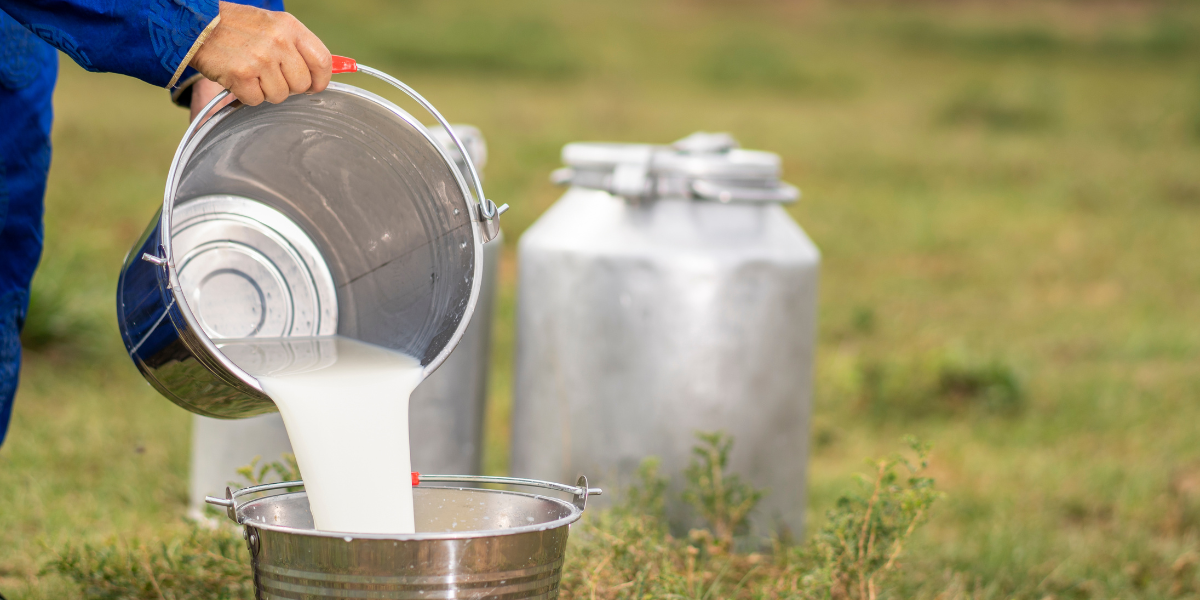
Today’s consumers demand that all companies act with ethics and social-environmental responsibility. For food companies and producers, responsible management and animal welfare are increasingly indispensable to positioning in the market, adding value to the final product, and gaining consumer trust—and sustainable milk production is part of this.
The largest skimmed milk powder factory in Asia not only impresses with its size but also represents a milestone in sustainable innovation. Built by Amul, India’s largest dairy cooperative, this facility integrates technologies that reduce energy and water consumption, demonstrating that sustainable milk production is a global priority.
Sustainable milk production offers a range of benefits that go far beyond building a good image: it also enhances the production chain and the quality of the final product, among other advantages. This is confirmed by cattle farmers who have adopted responsible milk production certified by the Certified Humane Program.
Want to learn more about the benefits of producing milk sustainably? Discover examples of those already reaping the rewards of animal welfare? And understand how this aligns with consumer concerns about sustainability?
Stay with us and find out!
Production Advantages
Responsible milk production generates advantages in the production chain itself, as proven by scientific studies and countless farmers who have adopted animal welfare standards—the best way to produce milk sustainably. These standards are designed to protect animals, the environment, and human health.
Here are some of the main advantages:
- Animal welfare improves both the quantity and quality of milk produced.
- Stressed, mistreated, or uncomfortable animals produce less milk.
- Healthy and well-managed cattle are less prone to diseases and accidents.
- Proper handling facilitates farm management, improves team working conditions, and minimizes risks of accidents involving animals.
Example 1: Guaraci Agropastoril
Located in Brazil, Guaraci Agropastoril is one of the companies already benefiting from sustainable milk production. Its three pillars are organic production, animal welfare, and low greenhouse gas emissions—values that earned it the Certified Humane animal welfare certification.
“We know that respecting animals, eliminating risk or stress factors, ensures better production with healthier animals. We pursued certification because animal welfare is part of the philosophical essence of our business,” says co-owner Luis Fernando Laranja da Fonseca.
Example 2: Colun
Colun was the first cooperative in Chile to achieve Certified Humane animal welfare certification for dairy cattle. This milestone is seen by its members as a key moment in the company’s development, enhancing care for animals and the quality of its final products.
Consumer Concerns
As today’s consumers demand sustainability, the best way to earn their trust is to prove your operations are sustainable. To do so, a company should provide detailed information about how food is produced, how animals are treated, and how environmental impacts are minimized.
→ Download the eBook “Standards for Dairy Cows” now!
Published on July 24, 2025