

Welfare in milk production: providing good health and nutrition for cattle
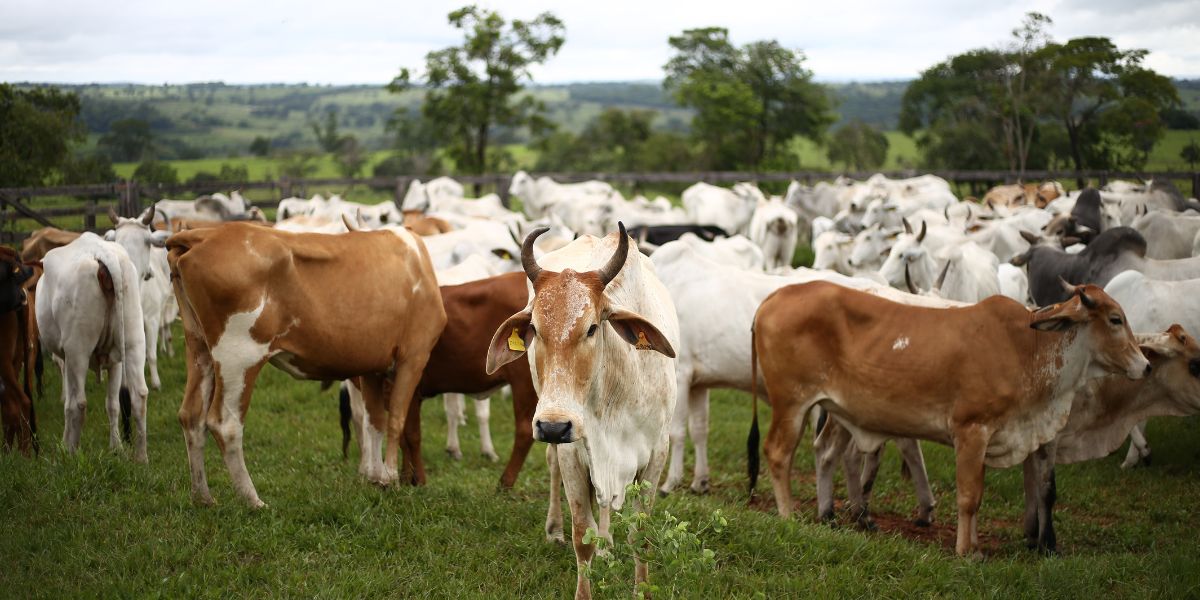
Animal production professionals, experienced breeders and other experts already know that investing in the welfare of dairy cattle is essential not only for improving animal management, but also for productivity and superior milk quality. In fact, welfare in milk production is the key to obtaining a premium, reliable product.
And what is welfare in milk production? It depends, not least, on adequate nutrition for the species and the needs of each animal according to its production phase, and frequent care for the health of the entire herd. You can’t underestimate the importance of effective management, carried out by responsible and well-trained managers who can detect problems early on and resolve them immediately.
So, follow the text below and find out how to provide adequate nutrition, carry out effective management and care for the health of the herd to ensure the well-being of dairy cattle!
The right nutrition
In order to have a healthy diet, each bovine animal must receive the right amount of feed for its age and productive phase, taking into account the climate and season. Heifers, for example, have specific dietary requirements that must be strictly adhered to if they are to become productive when they grow up.
Here are some important tips for providing adequate nutrition:
– Cattle should not be given antibiotics, ionophores, coccidiostats or other substances to promote growth, feed efficiency or milk production;
– Antibiotics should only be administered individually for the treatment of diseases and only with the advice of a veterinarian;
– From the first weeks of life, there should always be plenty of clean, quality water available to the animals;
– As soon as they are born, calves should receive a minimum amount of colostrum to ensure they are protected against disease;
– While dairy cows need to be fed quality pasture and forage, calves over 30 days old need a diet rich in fiber to stimulate rumen development;
– To reduce stress, the diet of cattle must be adapted to their needs in both summer and winter;
– It is essential to plan forage so that the animals also have quality food in the dry season or when there is little pasture.
Management
It is impractical to guarantee the welfare of any farm animal without those in charge being trained to identify stress factors knowing how to deal with any situation promptly and effectively. For this reason, dairy farm management has a responsibility to provide adequate training for all employees.
Here are some tips for good dairy farm management:
– Create an emergency action plan outlining the procedures to be followed in the event of fire, drought or flooding;
– Keep up-to-date records of animal husbandry, quarantine procedures and medication use, as well as records of diseases affecting the herd and mortality rates;
– Train caretakers to understand stress factors affecting cattle.
Herd Health
Successfully promoting cattle herd health requires drawing up an Animal Health Plan (AHP), which should be updated regularly under the guidance of a veterinarian. The AHP should include the practices and care to be taken with, for example, the animals’ hooves, which should be inspected at least once a year.
See other tips on PSA and herd health:
– The herd’s performance must be monitored constantly and attention must be paid to metabolic and infectious diseases and injuries caused by housing or handling;
– Animals suffering from diseases or injuries need to be treated immediately and, if necessary, euthanized;
– Replacement animals brought in from other sources must be quarantined before joining the herd;
– To assess the herd’s laminitis rate, the locomotion score can be used with biannual PSA records;
– Removal of supernumerary teats can be carried out until puberty with the use of pain medication;
– Hoof trimming can be done at up to 3 weeks of age, using heat cauterization and pain medication;
– Removal of horns should only be done by a veterinarian, using sedative or local anesthesia and anti-inflammatory drugs;
– Tail docking is prohibited;
– Broom trimming is permitted;
– The farm must be prepared to carry out euthanasia when necessary: the procedure must be carried out by a trained employee or a veterinarian and the disposal of the carcass must meet local requirements and regulations.
Published on June 26, 2025